
PRESENTATION
Donizetti’s historic duel of queens, Maria Stuarda, returns in February for the third time at ABAO Bilbao Opera. This vibrant work of the Queen Trilogy by the composer from Bergamo, whose pages include magnificent musical and theatrical moments, provides an extraordinary opportunity to enjoy an exceptional title.
A lyrical tragedy that delves in the dramatic historic rivalry between two queens: Mary Stuart, catholic and Queen of Scotland, and Elisabeth I, protestant and Queen of England. One is in prison by order of the other. A man between them balances loyalty and love. A cry of "Wretched bastard!" is the passionate insult that takes Mary to the gallows, accused of treason.
As it is an ideal opera for great voices to shine, it attracts singers of renown in this type of repertoire, such as the soprano Yolanda Auyanet, National Music Award 2024 for Best Performer, who plays the long-suffering Maria Stuarda, one of the most complex characters of Donizetti’s universe, with vocal demands that only a few singers can meet. The mezzo Maria Barakova brings the relentless Elisabetta to life, and the tenor Filip Filipović plays the infatuated Leicester. The three of them make their debut in the ABAO seasons.
The Mexican conductor Iván López-Reynoso is in charge of the music direction, conducting the Euskadiko Orkestra in a score with a really colourful and complex orchestration.
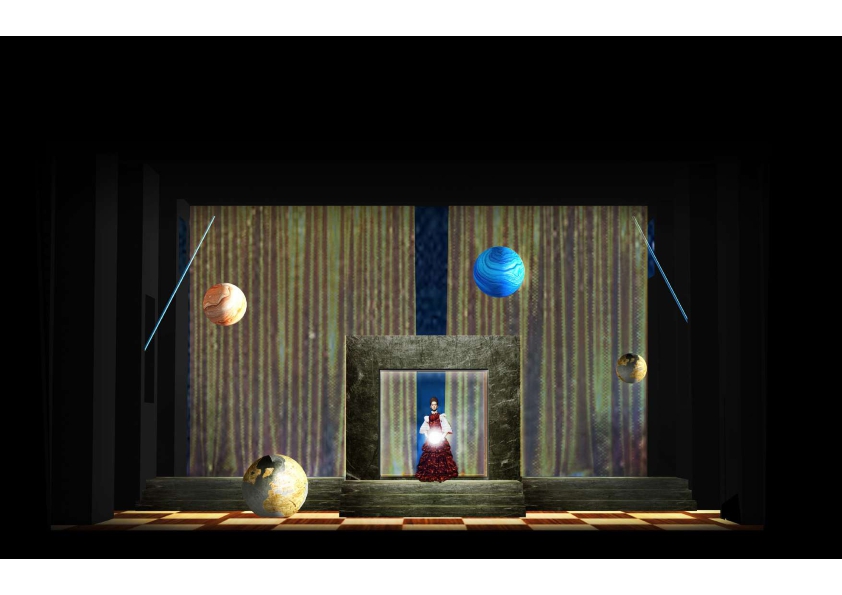
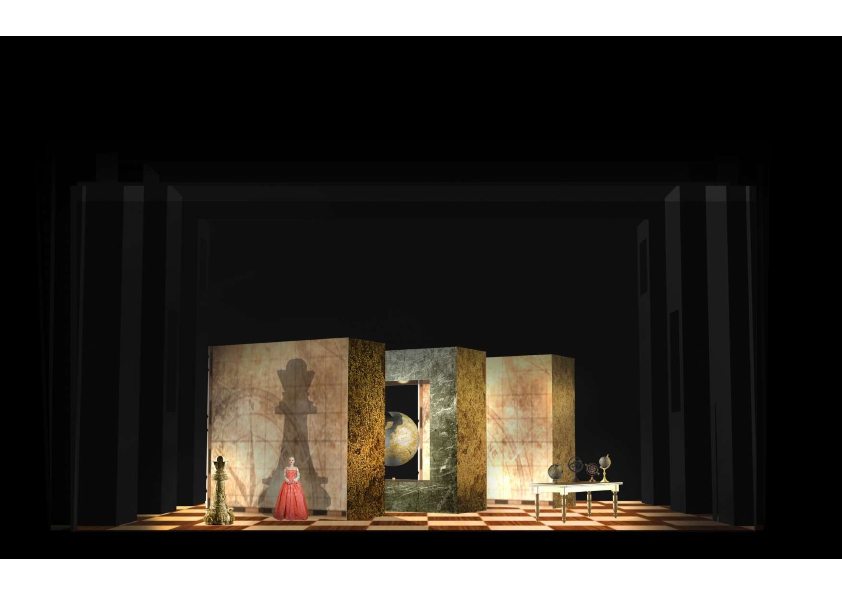
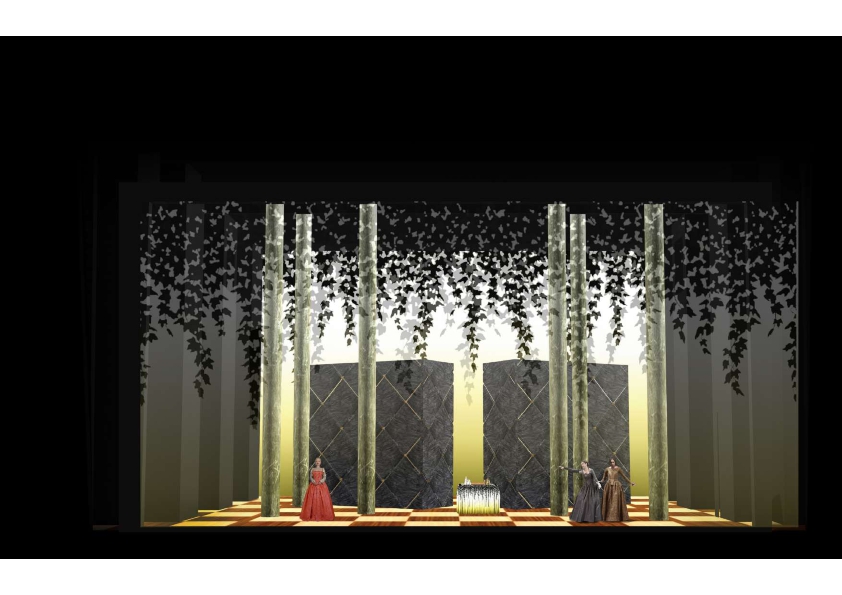
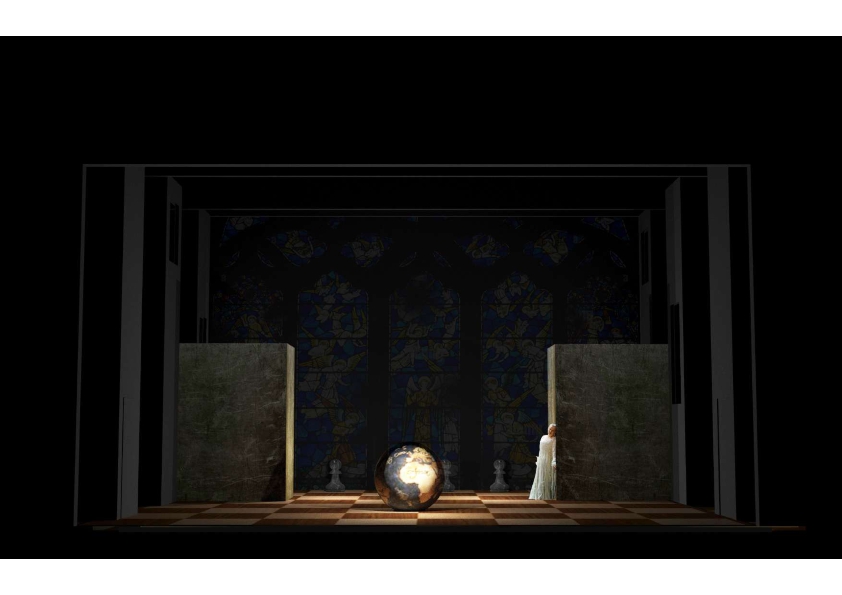
The co-production of ABAO Bilbao Opera and Opera de Oviedo, by Emilio López, who makes his debut in Bilbao, is an international premiere. The director surprises with a beautifully-made proposal where classical and modern elements are skilfully combined, accompanied by an elegant wardrobe and stunning light effects.
ARTISTIC SHEET
CAST
- María Stuarda
- Elisabetta
- Leicester
- Giorgio Talbot
- Anna Kennedy
- Lord Guglielmo Cecil
ARTISTIC TEAM
- Escenografía
- Director De Escena|diseño De Video
- Director Del Coro
- Director Musical
- Vestuario Y Diseño De Joyas
- Orquesta
MULTIMEDIA
PUBLICATIONS
PODCAST
AUDIO
Youtube
SYNOPSIS
ACT I
Westminster Palace.
A tournament has been organised to honour the French ambassador, who is negotiating with Elisabetta a marriage proposal from the King of France, which she is considering out of a sense of duty to her subjects, while secretly pining for Leicester, whose absence from the court she has noticed. Talbot, who is in charge of the royal prison, tries to intercede with Elisabetta on behalf of Maria, imprisoned in Fotheringay Castle since she fled from Scotland. But the Queen is torn between her sympathy for Maria and the fear that she may be plotting against her; Cecil warns her about the dangers that compassion entails.
Leicester arrives and she gives him a ring to take to the French Ambassador as a token of her acceptance of the marriage offer, but she is enraged when he seems unmoved by the commission. Privately, Talbot gives Leicester a portrait of Maria and a letter from her, and Leicester decides to free the woman he loves by any means. He gives Elisabetta the letter, in which Maria begs for a meeting with her, and he urges her to agree, pointing out that she can use a hunting party in the vicinity of Fotheringay as a pretext. His enthusiasm for her rival’s cause reminds Elisabetta of Maria’s attempts on the English throne and, when Leicester gets unwisely excited about Maria’s charms, the Queen exults that he has sunk so low.
ACT II
The grounds of Fotheringay Castle.
Accompanied by Anna, Maria walks in the park, rejoicing in her limited freedom, but recalling with sadness the happy days of her youth in France. The sound of the approaching royal hunting party terrifies her and she regrets having asked Elisabetta for a meeting but, supported by Leicester and by his assurances that Elisabetta has been moved by the letter, she decides to stay and face her.
Elisabetta also views the meeting with mixed feelings as, on the one hand, she rejects Cecil’s urgings that she execute Maria and, on the other, she is enraged by the fervour with which Leicester defends her rival’s cause. When the two Queens confront each other, each of them is already convinced that the other is haughty, but Maria makes an effort and humbles herself to ask for clemency. Elisabetta is obdurate and her references to Maria’s murdered husband and her aspersions on her honour provoke Maria, despite Leicester’s attempts to calm her, into taunting Elisabetta about her being a bastard as well as “a vile and lascivious harlot”. Furious, Elisabetta advises her to expect her death sentence, but Maria exults in what she considers to be her triumph.
ACT III
Westminster Palace.
Although mortally affronted, Elisabetta hesitates whether to sign the death warrant or not, despite Cecil’s urgings that her safety and that of the realm depend on Maria’s death. Only Leicester’s arrival induces her to sign it. His prayers for mercy only provoke her into ordering him to witness the execution.
Maria’s chambers in Fotheringay.
Maria is still exultant over her having humiliated Elisabetta, though she fears that Leicester may be in danger from her angry outbursts. Cecil brings the death warrant. She refuses his offer of a priest to comfort her, but admits to Talbot that she feels oppressed by the recollection of her sins. He reveals that he has taken holy orders so as to hear her confession.
Maria confesses her guilt over the murder of her husband, Darnley, and also seems to admit her complicity in the Babington plot (not only to achieve her freedom, but also to ascend the throne of England after murdering the Queen). Talbot gives her absolution.
A room next to the execution chamber.
Maria’s friends lament her fate and, facing death calmly, she tries to comfort them and give them strength. When the cannon sounds the signal for her execution, Cecil asks her for her last will. She forgives Elisabetta and prays for her and for the kingdom. She tries to calm the grief-stricken Leicester and hopes that her innocent blood will placate the wrath of Heaven. She goes resolutely to her death as her friends grieve over her tragic fate.